Which girls clothes suit hot weather?
Hot weather can make getting dressed feel like a daily challenge, especially for children who spend time playing outdoors, attending school, or traveling with family. The right girls clothes should do more than look attractive. They should help a child stay cool, comfortable, and free to move throughout the day. 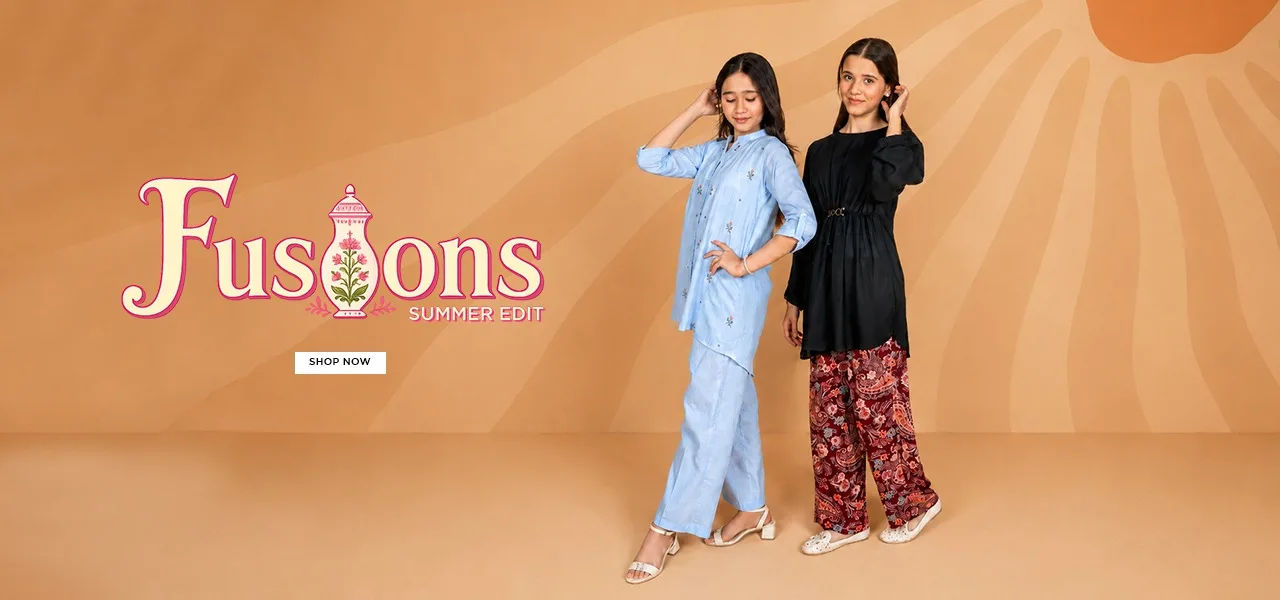 Choosing summer outfits becomes easier when parents understand how fabric, fit, color, and design affect comfort.
Lightweight materials, breathable construction, loose silhouettes, and practical details can make a noticeable difference when temperatures rise. At the same time, children usually want clothing that feels fun and looks age-appropriate.
For that reason, girls clothes for hot weather should combine comfort with everyday style. Cotton dresses, loose tops, breathable trousers, skirts, shorts, and lightweight traditional outfits can all work well when they are selected carefully. The best choice depends on the temperature, activity, location, and how long the child will be wearing the outfit.
Why Clothing Choice Matters in Hot Weather
Children can become uncomfortable quickly in warm conditions. Clothing that traps heat or prevents air from circulating may leave them sweaty, irritated, and reluctant to continue playing or participating in activities.
Good summer clothing allows heat and moisture to move away from the body. Breathable fabrics are particularly useful because they allow greater airflow than many heavy or tightly woven materials.
Fit matters as well. Clothing that is extremely tight can feel restrictive and may increase discomfort. A relaxed fit gives children more freedom to move and allows air to circulate around the body.
The goal is not necessarily to dress a child in the shortest or lightest outfit possible. Instead, the aim is to choose sensible layers and materials that provide comfort while offering suitable coverage.
Best Fabrics for Hot Weather
Cotton
Cotton is one of the most practical choices for summer. It is soft, breathable, widely available, and comfortable against the skin.
Lightweight cotton is particularly useful for everyday wear. Cotton dresses, T-shirts, pajamas, and loose trousers can work well for warm days.
Parents should still pay attention to the thickness of the fabric. Heavy cotton can feel warm, especially in humid weather. Lightweight cotton generally provides better ventilation.
Linen
Linen is another excellent warm-weather material. Its natural structure allows air to circulate, making it useful for loose shirts, dresses, trousers, and summer sets.
One disadvantage is that linen wrinkles easily. For everyday children's clothing, that may not matter much. Comfort is often more important than keeping every outfit perfectly pressed.
Cotton Blends
Cotton blended with other fibers can also be useful. Some blends are designed to improve durability, reduce wrinkles, or make clothing easier to wash.
However, the exact blend matters. A lightweight cotton-rich fabric may be comfortable, while a heavy synthetic blend may trap more heat.
Breathable Muslin
Muslin is especially useful for young children. It is lightweight, soft, and airy when loosely woven.
Muslin dresses, tops, and cover-ups can be useful during particularly warm days because the fabric does not feel excessively heavy.
The Best Styles for Summer
Cotton Dresses
Dresses are among the easiest summer choices for girls. A loose cotton dress can provide comfort without requiring several separate pieces.
Simple sleeveless or short-sleeved designs work well for casual outdoor activities when appropriate. Dresses with breathable construction are generally more comfortable than thick, layered designs.
A loose fit is important. The dress should provide enough room around the chest, waist, and legs for normal movement.
Loose T-Shirts
A lightweight T-shirt can become the foundation of many summer outfits. It can be paired with shorts, skirts, lightweight trousers, or breathable jeans.
Simple designs are often the most practical for children because they can be washed frequently and worn for school, play, or casual outings.
When selecting girls clothes for particularly hot days, parents should look for soft fabrics and avoid unnecessary layers.
Shorts
Shorts are practical for active children because they allow plenty of movement. Cotton and lightweight woven shorts are generally better suited to hot conditions than thick denim.
The waistband should be comfortable rather than excessively tight. Adjustable waistbands can be particularly useful because children grow quickly.
For outdoor play, shorts can be paired with a breathable T-shirt and comfortable footwear.
Skirts
Loose skirts provide another comfortable option. Cotton skirts, lightweight pleated designs, and simple casual styles can all work well.
The most practical designs are easy to move in and do not contain excessive layers. A skirt that looks attractive but feels heavy or restrictive may not be suitable for an active summer day.
Lightweight Trousers
Some situations require more coverage, making lightweight trousers useful. Loose cotton trousers or linen-style pants can protect the legs while still allowing airflow.
These can be especially helpful during travel, evening outings, or places where more coverage is preferred.
Avoid very thick trousers during peak heat unless there is a specific reason to wear them. Lightweight construction makes a significant difference.
Choosing Colors for Hot Weather
Color can influence how clothing feels in strong sunlight. Light colors generally absorb less visible sunlight than very dark colors, so pale shades can be a practical choice during hot weather.
White, cream, beige, light pink, soft blue, pale green, and similar shades can create a fresh summer appearance.
This does not mean dark clothing must be avoided completely. A lightweight black cotton shirt may still feel more comfortable than a thick synthetic shirt in a lighter color.
Fabric weight and breathability remain important factors. Color is only one part of the overall decision.
Loose Fits Are Usually More Comfortable
Summer clothing should allow children to move naturally. Loose-fitting garments can improve airflow and reduce the feeling of fabric sticking to sweaty skin.
This does not mean buying clothing several sizes too large. Oversized garments can become inconvenient and may interfere with movement.
Instead, choose the correct size with a relaxed shape. Look for dresses that do not cling tightly, tops with comfortable armholes, and trousers that allow the legs to move freely.
When buying girls clothes, parents should also check seams, waistbands, buttons, zippers, and decorative elements. These details can affect comfort just as much as the main fabric.
What to Wear for Outdoor Play
Outdoor play requires clothing that can handle movement, sweat, and frequent washing.
A lightweight T-shirt with cotton shorts is a simple option. A breathable dress can also work for children who prefer dresses.
For very sunny conditions, clothing should be combined with other forms of protection such as a hat, shade, and appropriate sunscreen where suitable. Clothing alone does not eliminate the risks associated with prolonged sun exposure.
Active children may also benefit from having a spare top available. A child who becomes sweaty during play can change into a dry shirt rather than spending the rest of the day in damp clothing.
Summer Clothing for School
School clothing has different requirements because the child may spend several hours wearing the same outfit.
School-appropriate girls clothes should be comfortable enough for sitting, walking, playing, and moving between indoor and outdoor spaces.
If a school has a uniform, parents can focus on selecting lightweight versions of approved fabrics where the uniform rules allow it. Cotton-rich shirts and breathable socks can improve comfort.
A lightweight cardigan or outer layer can also be useful in classrooms that use strong air conditioning. This prevents the child from needing heavy clothing outside simply because indoor temperatures are lower.
Clothing for Family Outings
Family outings often involve changing environments. A child may spend time in an air-conditioned vehicle, walk outdoors, visit a restaurant, and then spend more time outside.
Layering can help, but summer layers should remain lightweight.
A breathable dress with a thin cardigan, or a cotton T-shirt with lightweight trousers, can work well for these situations.
Comfortable footwear matters too. Feet can become hot and sweaty, so breathable shoes and socks can make an outfit much more comfortable.
Traditional Summer Clothing
Hot weather does not mean children have to wear only Western-style clothing. Traditional outfits can be excellent summer choices when made from breathable materials.
Lightweight cotton shalwar kameez, cotton kurtis, loose trousers, and airy two-piece sets can provide both cultural style and practical comfort.
For particularly warm days, parents should look for unlined or lightly constructed garments when appropriate. Heavy embroidery, multiple layers, and thick synthetic fabrics may make traditional clothing less comfortable in extreme heat.
Simple prints and lightweight fabrics can create attractive outfits without adding unnecessary weight.
Fabrics and Designs to Avoid
Some clothing choices are less comfortable during extreme heat.
Very thick denim can become hot and restrictive. Heavy polyester fabrics may also feel uncomfortable when worn for long periods, especially in humid conditions.
Tight synthetic clothing can trap heat and moisture against the skin. Clothes covered with excessive decorative layers can have the same problem.
Parents should also be cautious with clothing containing rough seams, stiff tags, scratchy embellishments, or uncomfortable elastic. A beautiful outfit is not useful if a child constantly wants to take it off.
For everyday girls clothes, practicality should remain part of the selection process.
How to Dress for Humid Weather
Hot and humid weather can be more challenging than dry heat because sweat evaporates more slowly.
In these conditions, breathable and lightweight fabrics become particularly important. Loose cotton clothing can be preferable to tight garments because it allows more airflow.
It is also sensible to avoid unnecessary layers.
If a child is spending time outside, frequent access to water and cool or shaded areas is important. Clothing should support comfort rather than be treated as the only solution to heat.
Clothing for Babies and Younger Girls
Younger children may need additional attention because they cannot always explain when they are too hot.
Soft cotton bodysuits, loose dresses, lightweight tops, and breathable shorts can be suitable choices depending on age and activity.
Parents should regularly check whether a young child seems overheated or unusually uncomfortable. Clothing should never be so heavy that it contributes unnecessarily to overheating.
Simple designs are often best because they make diaper changes, dressing, and washing easier.
How to Build a Practical Summer Wardrobe
A useful summer wardrobe does not need to contain dozens of outfits. A smaller collection of comfortable, versatile pieces can cover most daily situations.
Start with several lightweight tops. Add shorts, skirts, and breathable trousers that can be mixed with them.
A few comfortable dresses provide quick outfit options for days when getting dressed needs to be simple.
It is also useful to have separate clothes for sleeping. Lightweight cotton pajamas can help children remain comfortable overnight when temperatures stay high.
Parents should prioritize garments that can tolerate frequent washing. Summer clothes often need more regular cleaning because sweat, dust, food, and outdoor activities can quickly make them dirty.
How to Check Whether an Outfit Is Comfortable
Before buying girls clothes, examine the fabric rather than relying only on its appearance.
Hold the fabric and consider whether it feels soft and breathable. Look at its thickness and construction. Check whether the garment contains a lining that might make it warmer than expected.
Ask the child how the clothing feels. Children can often identify problems that adults may overlook.
Pay attention to complaints about tight waistbands, itchy fabric, stiff collars, or uncomfortable seams. These small details can turn an otherwise attractive outfit into something a child refuses to wear.
Common Summer Clothing Mistakes
One common mistake is choosing an outfit based entirely on appearance. A beautiful garment may still be unsuitable for extreme heat if it is heavy or poorly ventilated.
Another mistake is buying clothing that is too tight. Children need room to move, especially during play.
Some parents also choose too many layers because they are concerned about sun exposure. The better approach is to combine appropriate lightweight coverage with shade and other sensible sun-protection measures.
Ignoring the child's preferences can also create problems. If a child strongly dislikes a certain fabric or style, forcing that outfit into the summer wardrobe may result in wasted money.
The best girls clothes balance the child's comfort, practical needs, weather conditions, and personal style.
Caring for Summer Clothing
Proper care helps lightweight garments remain comfortable.
Always follow the garment's washing instructions. Some fabrics become rough or lose their shape when washed incorrectly.
Allow clothes to dry completely before storing them. Damp clothing can develop unpleasant odors and may become uncomfortable to wear.
It is also worth checking elastic, buttons, seams, and zippers regularly. Children are active, and summer clothing can experience significant wear.
When a garment becomes stretched, rough, or damaged, replacing it may be more practical than continuing to use it simply because it still looks acceptable.
Conclusion
The best summer wardrobe focuses on comfort first without ignoring style. Lightweight cotton, linen, muslin, and suitable cotton blends can help children remain comfortable when temperatures rise. Loose-fitting dresses, breathable tops, shorts, skirts, and lightweight trousers are practical choices for different situations.
Parents should consider more than the appearance of an outfit. Fabric, fit, color, activity level, humidity, and the length of time the child will wear the clothing can all influence comfort. A child who is playing outdoors needs different practical features from one attending a formal family gathering.
Choosing girls clothes for hot weather does not have to be complicated. Start with breathable materials, avoid unnecessary weight, select comfortable fits, and choose designs that allow natural movement. For school and everyday activities, simple washable pieces are often the most useful. For outings, lightweight dresses and coordinated sets can provide an easy combination of comfort and style.
It is equally important to listen to the child. If a fabric feels itchy, a waistband feels tight, or an outfit makes movement difficult, the clothing is probably not a good everyday choice regardless of how attractive it looks.
Ultimately, good summer clothing should make childhood easier rather than add another source of discomfort. When girls clothes are lightweight, breathable, practical, and suited to the activity, children can spend more time playing, learning, traveling, and enjoying warm days without constantly worrying about what they are wearing.
