Can an ai automation consultant connect existing tools?
Businesses rarely use just one software platform. A typical company may rely on a CRM for customer information, accounting software for finances, email platforms for communication, project management tools for daily tasks, and cloud storage for documents. 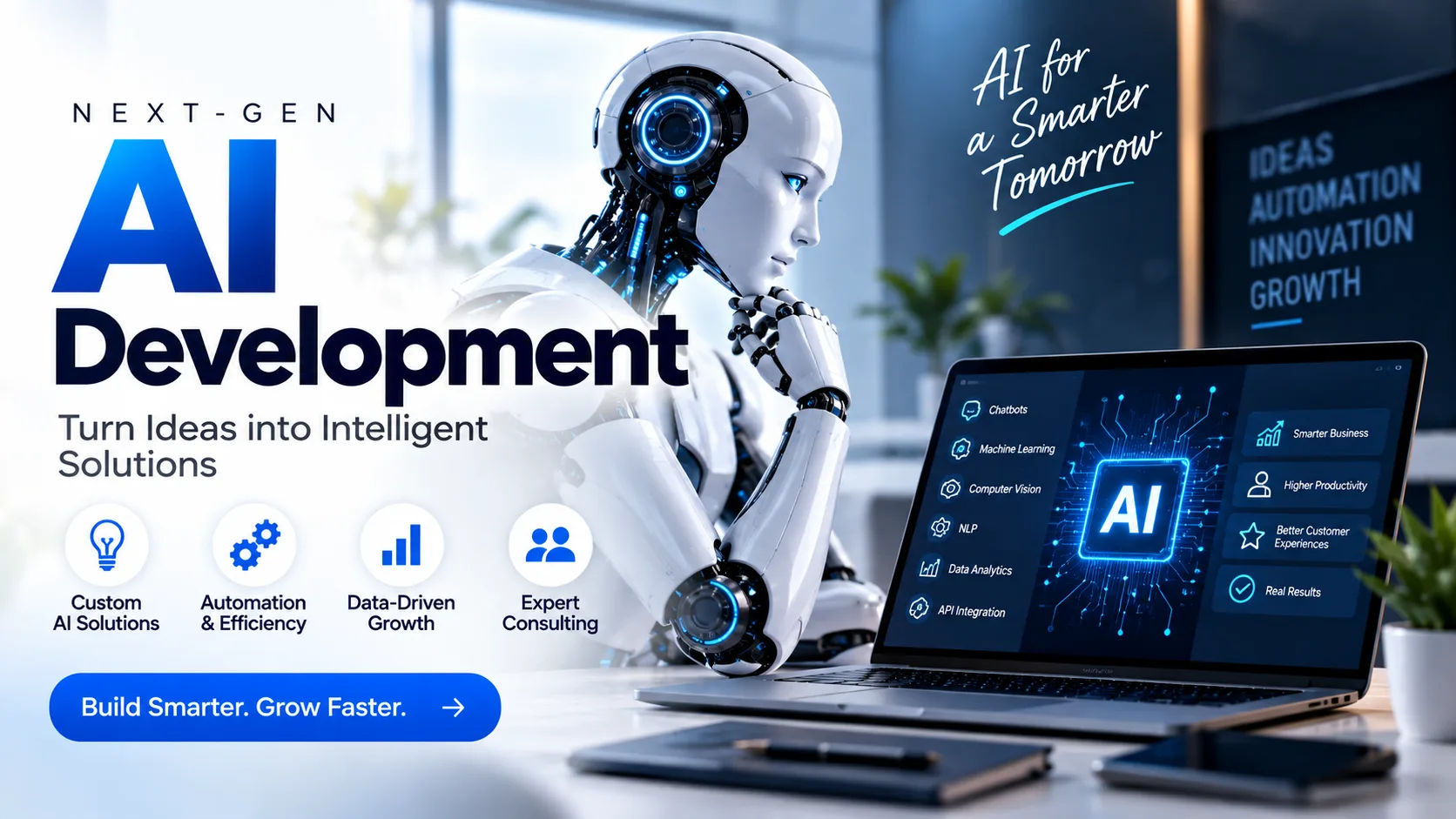 The challenge is getting all these systems to work together without creating more manual work. This is where an ai automation consultant can make a practical difference.
Instead of replacing every system a business already uses, an ai automation consultant can examine the existing technology stack and identify ways to connect the tools that are already in place. These connections can allow information to move between platforms, trigger actions automatically, reduce repetitive data entry, and give employees a more connected workflow.
The important question is not simply whether existing tools can be connected. It is how they should be connected, what information should move between them, and whether automation will actually improve the process.
What Does Connecting Existing Tools Mean?
Connecting existing tools means creating a relationship between different software applications so they can exchange information or trigger actions.
For example, imagine a business receives a new customer inquiry through a website. Without integration, an employee might need to copy the customer's name, email address, phone number, and inquiry into a CRM manually.
With an automated connection, the form submission can create a new CRM record automatically. The system could then send a confirmation email and notify a salesperson.
The employee does not have to perform each step separately.
This type of connection can range from a simple two-tool integration to a larger workflow involving several platforms.
Why Businesses Connect Existing Software
Most businesses do not want to replace software that employees already know how to use. Replacing established systems can be expensive, disruptive, and time-consuming.
Integration provides another option.
A company can keep its existing CRM, accounting platform, help desk, email system, or project management application while allowing those tools to communicate.
This can protect previous investments in software and reduce the disruption associated with a complete technology replacement.
It can also make daily work more consistent.
When systems are disconnected, employees often become the link between them. Someone may download a spreadsheet from one platform, modify it, and upload the information somewhere else.
That process consumes time and creates opportunities for mistakes.
Automation can move appropriate information between systems without requiring employees to repeatedly perform the same administrative task.
How an AI Automation Consultant Connects Existing Tools
An ai automation consultant typically begins by understanding the business process rather than immediately selecting a technology.
This distinction matters.
A technically possible integration is not automatically a useful integration. The consultant needs to understand what employees are doing, where delays occur, what information is being transferred, and what outcome the business expects.
Reviewing the Existing Technology Stack
The first step is usually an assessment of the tools already being used.
This can include CRM platforms, accounting applications, email systems, calendars, databases, customer support software, inventory systems, spreadsheets, cloud storage, communication platforms, and internal applications.
The goal is to understand how information currently moves through the organization.
For example, a sales process might involve a website form, CRM, email platform, calendar, invoicing system, and accounting software.
If employees are manually transferring information between all six systems, there may be several opportunities for automation.
Identifying Integration Options
Software applications can communicate in different ways.
Some offer built-in integrations that allow another application to connect with a few configuration steps.
Others provide APIs, which allow software systems to exchange information programmatically.
There are also middleware and automation platforms that can connect multiple applications without requiring a completely custom software project.
An ai automation consultant can determine which approach is appropriate based on the available systems, technical requirements, security considerations, and business goals.
Mapping the Workflow
Before building an integration, the workflow should be mapped.
Suppose a customer submits a quote request.
The workflow might look like this:
Customer submits form → customer record is created → sales representative is notified → follow-up email is sent → appointment link is provided → opportunity is added to the sales pipeline.
Each step can potentially involve a different system.
Mapping the process helps identify exactly where information should move and what should trigger the next action.
Can AI Connect Tools That Were Not Designed to Work Together?
Sometimes, yes.
However, compatibility depends on the systems involved.
Modern applications often provide APIs, webhooks, integration platforms, or other mechanisms that allow external systems to communicate with them.
Older or highly specialized applications can be more difficult.
An ai automation consultant may need to use custom middleware, database connections, file-based transfers, or custom API development when a direct integration is unavailable.
In some situations, an existing system may have limited integration capabilities. That does not necessarily make automation impossible, but it can make the project more complex.
The consultant should identify these limitations before promising a particular result.
Common Tools That Can Be Connected
There is no single list of applications that can be integrated. Almost any software with appropriate integration capabilities can potentially become part of an automated workflow.
CRM and Marketing Platforms
Customer information is often transferred between CRM and marketing systems.
For example, when a new lead enters a CRM, the workflow might add the person to an appropriate marketing sequence.
When a customer changes status, another system can receive that information and adjust future communication.
This reduces the need for employees to update several platforms manually.
Accounting and Invoicing Systems
Sales and finance workflows can also benefit from integration.
An approved transaction in one system could trigger an invoice in another.
Payment information could be passed back to a CRM so employees can see the customer's account status without opening multiple applications.
The exact workflow depends on the systems and the company's accounting procedures.
Email and Calendar Applications
Communication tools can often be connected to customer and scheduling systems.
For example, when a customer schedules an appointment, an automated workflow could create a calendar event, update the CRM, send confirmation information, and notify the responsible employee.
This makes the process more predictable.
Project Management Platforms
When a deal reaches a particular stage, an automated workflow could create a project or task in a project management system.
Customer information can be transferred to the project record so employees do not have to re-enter it.
The automation can also assign tasks based on predefined conditions.
Spreadsheets and Databases
Spreadsheets remain common in many organizations.
Although they are not always ideal as long-term databases, they can still be useful in certain workflows.
An integration could transfer selected records between a spreadsheet and another business application.
The important issue is controlling which data moves, when it moves, and who has permission to access it.
How AI Adds Value to Tool Integration
Traditional integrations generally follow predefined rules.
For example, if a customer submits a form, create a CRM record.
AI can add another layer of flexibility.
An ai automation consultant may design workflows in which AI interprets information before deciding what should happen next.
Consider incoming customer emails.
A basic automation might send every email to the same department.
An AI-assisted workflow could analyze the message, identify its general category, extract relevant information, and route it according to predefined business rules.
For example, a message could be classified as a sales inquiry, billing question, technical issue, or general request.
The AI does not necessarily replace the business system. Instead, it can help interpret unstructured information before passing structured information to another tool.
Connecting Existing Tools Without Replacing Them
One of the biggest advantages of integration is that businesses can often improve their processes without rebuilding their entire technology environment.
A company might already have a CRM that works well for sales but lacks certain automation features.
Rather than replacing the CRM, an integration could connect it to another system that handles the missing task.
This approach can be particularly useful when employees have already invested significant time learning existing software.
The goal should be to improve the overall workflow rather than introduce new technology simply because it is available.
What Happens When Tools Use Different Data Formats?
Different applications may store information differently.
One platform might record a customer's full name in one field, while another uses separate first-name and last-name fields.
One system might store dates in one format while another expects a different format.
These differences can cause integration problems.
An ai automation consultant can create rules for transforming information between systems.
For example, incoming data can be cleaned, reformatted, matched to existing records, or converted into the structure required by the receiving application.
Data validation is especially important.
If incorrect or incomplete information is automatically transferred, automation can make the problem happen faster rather than solve it.
Handling Duplicate and Incorrect Data
Integration should not simply move every record from one application to another.
Duplicate records can create significant problems.
Imagine a customer appears three times in a CRM because the same information entered the system through different sources.
An automated workflow could potentially create even more duplicate records if it does not check whether the customer already exists.
A properly designed workflow can include matching rules.
The system may compare an email address, customer ID, phone number, or another reliable identifier before creating a new record.
The exact matching strategy should depend on the type of data being handled.
Security and Access Considerations
Connecting software also means creating pathways for information to move between systems.
That makes security an important part of integration planning.
An ai automation consultant should consider authentication, permissions, data access, encryption where applicable, logging, and the sensitivity of the information being transferred.
Not every automation needs access to every piece of company data.
A workflow should generally receive only the permissions it needs to perform its assigned task.
This principle can reduce unnecessary exposure if an integration is misconfigured or compromised.
What If an Existing Tool Has No API?
This is one of the situations where careful technical assessment becomes important.
An application without a public API may still offer another integration method.
It might support webhooks, scheduled exports, database access, email-based workflows, file transfers, or a third-party connector.
In other cases, a custom integration may be possible.
However, there are situations where connecting the system is impractical or creates too much maintenance risk.
A responsible ai automation consultant should identify these limitations instead of forcing an unreliable solution.
Sometimes the better answer is to automate the surrounding process rather than directly integrate the difficult application.
Testing Before Launch
An integration should not be treated as finished simply because information successfully moves between two systems once.
Testing should cover normal situations as well as exceptions.
What happens if a customer leaves an important field blank?
What happens if the CRM is temporarily unavailable?
What happens if the same customer submits a form twice?
What happens if an employee changes a record manually?
These scenarios matter because real business processes rarely behave perfectly.
Testing should also confirm that the right data reaches the right system and that automated actions occur at the intended time.
Monitoring Automated Connections
Automation requires ongoing monitoring.
An integration that works today can stop working later if an application changes its API, authentication system, data structure, or permissions.
Employees may also change the way they use the connected tools.
For this reason, businesses should know how failures will be detected.
Error notifications, logs, and regular reviews can help identify problems before they become major operational issues.
An ai automation consultant can also establish procedures for handling failed workflows and deciding when human intervention is necessary.
When Integration Is Not the Right Answer
Connecting every tool is not always beneficial.
Some processes are too complicated, too infrequent, or too sensitive to justify automation.
There can also be cases where the cost of maintaining an integration is greater than the time saved.
Another concern is automating a poor process.
If employees currently follow unnecessary steps, simply connecting those steps does not solve the underlying problem.
The workflow should be reviewed first.
Automation works best when it simplifies a process rather than hiding its weaknesses.
How to Approach an Integration Project
A practical integration project can begin with one clearly defined workflow.
Instead of connecting ten applications at once, a business might start with a repetitive process that consumes several hours each week.
For example, lead entry could be automated first.
After measuring the results, the company can decide whether other workflows should be connected.
This approach makes it easier to identify problems, measure benefits, and control project complexity.
An ai automation consultant can help prioritize these opportunities based on factors such as manual effort, error frequency, business impact, technical complexity, and data sensitivity.
Questions to Ask Before Connecting Your Tools
Before approving an integration, businesses should understand several basic points.
Which systems need to communicate?
What information needs to move between them?
What event should trigger the workflow?
What should happen when information is missing?
How will duplicate records be handled?
Who can access the connected data?
How will failures be reported?
Who will maintain the integration after launch?
These questions help turn a vague automation idea into a specific technical and operational plan.
Benefits of Connecting Existing Tools
When designed correctly, integrated systems can provide several practical benefits.
Employees may spend less time entering the same information into multiple applications.
Data can become more consistent across departments.
Customers may receive faster responses.
Managers can gain better visibility into business processes.
Teams can also reduce the number of repetitive administrative tasks they perform each day.
The benefit is not simply that software becomes more connected.
The real benefit is that employees can spend less time acting as the bridge between disconnected systems.
Conclusion
An ai automation consultant can often connect existing business tools without requiring a company to replace its entire software stack. The exact possibilities depend on the applications involved, their integration capabilities, the type of data being exchanged, and the complexity of the workflow.
The most effective approach starts with the business process rather than the technology. A consultant can examine how information currently moves between systems, identify repetitive steps, determine which applications can communicate, and design workflows that reduce unnecessary manual work.
AI can make some integrations more capable by helping interpret unstructured information, classify requests, extract data, and support decisions within predefined workflows. However, AI does not eliminate the need for sound integration design, data validation, security controls, testing, and ongoing monitoring.
Businesses should also avoid connecting tools simply because an integration is technically possible. The objective should be a measurable improvement in how work gets done.
When existing applications are connected thoughtfully, a company can preserve useful software investments while creating a more efficient flow of information. Instead of forcing employees to repeatedly move data from one system to another, automation can allow those systems to handle much of the routine communication between them.
That makes tool integration less about adding another piece of technology and more about creating a smoother, more reliable business process.
